


Can You Pressure Wash Vinyl Siding?
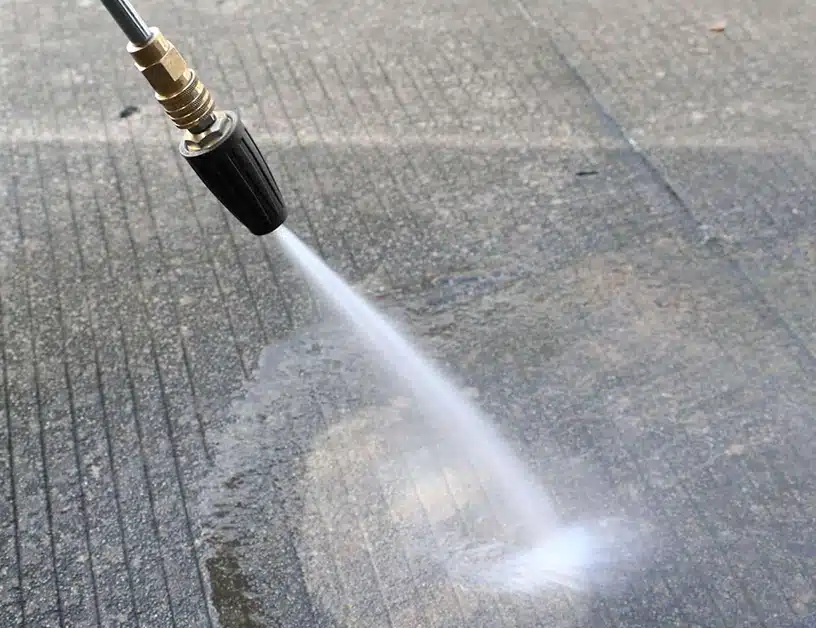
Ever looked at your home’s exterior and wondered if it was time for a good scrub? When grime, algae, and everyday dirt start taking over, you naturally want to blast it all away. But can you pressure wash vinyl siding safely without causing a disaster? The short answer is yes. You can generally pressure wash vinyl siding when you use the right equipment and technique. However, the primary risks involve excessive pressure, a concentrated spray, getting too close to the surface, or directing water up and behind the siding. In this guide, we will walk you through the key considerations for a successful wash, including pressure settings, nozzle selection, spray direction, cleaning solutions, preparation, and knowing when professional cleaning might be the smartest move. Key Takeaways: Can Vinyl Siding Be Safely Pressure Washed? – Quick Answer Many homeowners ask: Is it safe to pressure wash vinyl siding? The quick answer is yes, but it comes with strings attached. Safe pressure washing depends on the siding’s current condition, the type of pressure washer you use, your nozzle choice, your spray distance, and your overall technique. While a range of 1,000 to 1,500 PSI is widely accepted as safe for most modern vinyl, this is not a universal rule. Always check your manufacturer’s guidance before firing up the machine. Excessive pressure or spraying directly into seams and overlaps can damage the siding or, worse, force water behind the panels where it can invite hidden mould growth or rot. To be safe, test your equipment on an inconspicuous area before tackling the entire house. What Pressure Washer PSI Is Safe for Vinyl Siding? PSI stands for pounds per square inch, and it measures the force of the water coming out of the wand. When you are standing in front of a dirty house, it is tempting to crank up the dial, but more pressure isn’t always better for cleaning siding. The appropriate pressure can vary based on the age of your siding, its condition, manufacturer recommendations, your specific equipment, the nozzle attached, and how far back you stand. As a general industry standard, stick to a maximum of 1,000 to 1,500 PSI for vinyl. If you push beyond this limit, you run the risk of cracking the vinyl, distorting its shape, loosening panels from the wall, or driving water into places it should never go. The smartest approach is to start at a lower pressure and increase it only when necessary. This method gives you more control and protects your investment. Again, test the pressure in a small, hidden section of your home before moving to the main walls. Which Pressure Washer Nozzle and Spray Angle Should You Use on Vinyl Siding? Your nozzle choice matters as much as your pressure settings. The nozzle angle dictates the concentration and force of the water stream. A wider spray pattern is generally preferable for general siding cleaning because it distributes the pressure over a larger area, reducing the risk of accidental damage. For optimal results, use a 25- to 40-degree nozzle. Never use a 0-degree nozzle on vinyl siding, as that laser-like stream can easily punch a hole right through the plastic. While nozzles are often colour-coded, try to avoid relying solely on colour since conventions can vary between manufacturers. Instead, read the actual spray angle stamped on the piece and consult your equipment instructions. Maintaining an appropriate distance from the siding is also crucial. Keep the wand tip at least 30 cm from the surface. Finally, ensure your spray follows the siding’s profile. Point the stream downward rather than shooting it upward into seams, overlaps, vents, or other openings. What Cleaning Solution Is Safe to Use on Vinyl Siding? Sometimes plain water is enough to knock off loose dust. But when you are dealing with baked-on dirt, algae, mould, or mildew, a siding-safe cleaning solution is your best friend. Always follow the siding manufacturer’s recommendations alongside the cleaner’s specific dilution instructions. Apply the solution from the bottom up to avoid streaking, and let it sit as directed on the label. Let the soap do the heavy lifting rather than trying to blast the dirt away with sheer force. Just make sure the solution doesn’t dry on the siding before you can rinse it. Thoroughly rinsing the siding from top to bottom is a vital step. Make sure you wash away all soap residue. A word to the wise: caution against using harsh chemicals, undiluted bleach, or strong solvents. These can permanently damage the siding, strip the finish, and harm your surrounding landscaping or pets. If you use a bleach-based mixture to tackle tough mould, confirm the right use and concentration instead of guessing the formula. What Should You Protect Before Pressure Washing Vinyl Siding? A little prep work saves a lot of headaches later. Before you turn on the water, walk around your home to inspect and protect vulnerable areas. Cover exterior outlets, light fixtures, electrical components, and vents where water could easily enter. Check that all windows and doors are firmly closed. It sounds obvious, but skipping this step is a mistake you will only make once! Don’t forget about your yard. Protect gardens, delicate plants, landscaping, and outdoor furniture from cleaning solutions and stray overspray. Giving your plants a quick rinse with clean water before and after applying soap can help dilute any rogue chemicals. During your walkabout, watch for damaged, loose, cracked, or deteriorated siding. Identifying these trouble spots before pressure washing is crucial because they require a much gentler approach. Proper preparation happens long before you pull the starter cord. How to Safely Pressure Wash Vinyl Siding If you are wondering how to pressure wash house siding without a headache, it comes down to a practical, step-by-step sequence. Start by inspecting the siding and protecting your surrounding areas as mentioned above. Select your 25- to 40-degree nozzle, dial in your pressure under 1,500 PSI, and mix your cleaning solution. Work systematically across the siding. Apply your detergent from the
How to Pressure Wash a House?
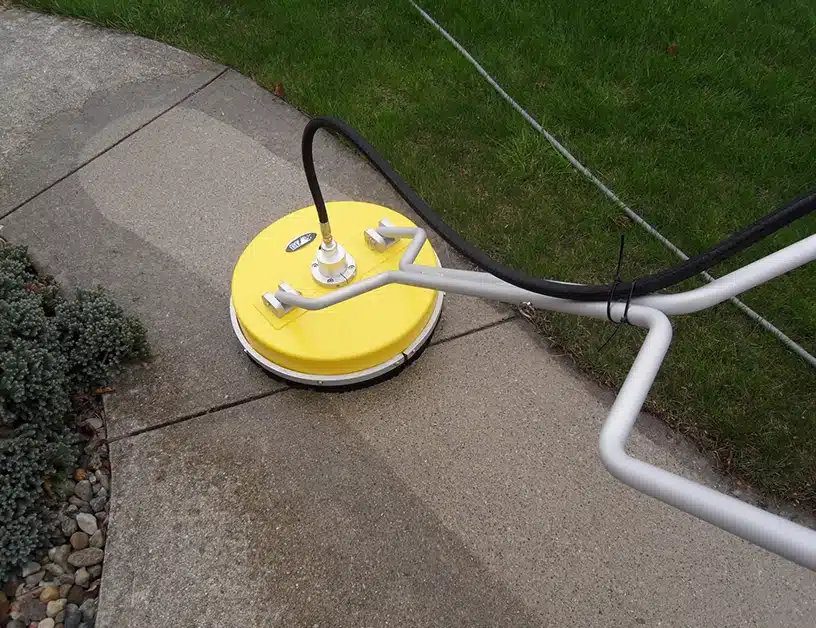
Refreshing your home exterior starts with knowing exactly how to pressure wash a house safely and efficiently. Different siding materials require distinct pressure levels and techniques to blast away grime without damaging paint, wood, windows, or your landscaping. Key Takeaways What Equipment Do You Need to Pressure Wash a House? Having the right gear makes all the difference when tackling exterior house cleaning. You need a reliable pressure washer with adjustable pressure, since a single PSI setting will not work for every residential surface. Interchangeable nozzles are vital because the spray angle directly controls your cleaning power. A 40-degree nozzle offers a gentle, wide spray, while a 25-degree tip provides a more focused punch. To safely reach the second storey without leaving the ground, grab an extension wand. You will also want specialized detergents designed for low-pressure soap application. Put safety first with protective eyewear and sturdy, slip-resistant footwear. How to Prepare Your House Before Pressure Washing Preparation is your best friend. Before starting the engine, move outdoor furniture and decorations out of the splash zone. Cover your garden beds and delicate plants with tarps to protect them from soapy runoff. Identify vulnerable electrical components or exterior light fixtures and tape them off securely. Double-check that all windows and doors are firmly closed, and watch for gaps where water could sneak inside. Inspect your siding, caulking, and paint for existing damage. Blasting loose brick mortar or cracked window seals will only make the situation worse. What Pressure Should You Use for Different House Exterior Surfaces? Match PSI to the material. Treating delicate wood the same way you treat solid driveway concrete is a recipe for disaster. This house-washing guide explains why tailored pressure matters. Remember that PSI is just one piece of the puzzle. Your nozzle angle, distance from the wall, and movement speed determine the actual force hitting the surface. Keep the spray moving to avoid concentrating pressure in one vulnerable spot. Learning how to pressure wash home exterior surfaces safely means always testing a small, hidden area first. What Is the Correct Order for Washing and Rinsing a House? A systematic approach prevents streaks and saves time. Start by applying your cleaning solution using a low-pressure soap nozzle, strictly following the product instructions for application rates. One of the most vital pressure washing tips in Okanagan is to work in manageable sections so the cleaner does not bake onto your siding in the hot summer sun. Apply the soap from the bottom up. Why start low? It prevents the concentrated cleaner from dripping down dry surfaces and leaving permanent streaks. Let the solution sit for the manufacturer’s specified dwell time, ensuring the surface stays wet the entire time. Finally, switch to your rinsing nozzle and wash from top to bottom, guiding the dirty runoff cleanly to the ground. How to Pressure Wash a House Safely Without Using a Ladder Mixing water, high pressure, and ladders is a terrible idea. Operating a wand from a ladder introduces a massive fall risk because the reaction force from pulling the trigger can easily throw you off balance. Extension wands are the smartest alternative for hitting elevated areas while remaining firmly planted on the ground. Be aware that wielding a long wand still requires physical strength to manage the recoil. Sometimes, a two-person approach improves safety and makes wrestling the hose much easier. Know your limits. If you are pressure washing a house, Penticton properties often feature steep drop-offs or tricky angles. If you face difficult access points or heavy biological growth, it is wiser to stop rather than risk an injury. When Should You Use Soft Washing Instead of Pressure Washing? Sometimes, turning down the dial is the smartest move. Soft washing swaps aggressive water pressure for specialized, targeted cleaning solutions applied gently. If you are looking at roof shingles, aged wood, or delicate heritage stucco in Summerland or Naramata, conventional high-pressure methods will cause harm. Asphalt shingles should never be exposed to high pressure. When tackling persistent mould, algae, or organic stains, simply blasting them with water only removes the surface layer. An appropriate soft wash solution neutralizes the root cause effectively. The right method always depends on the surface material and the specific type of grime you are fighting. Wrapping Up Your House Wash: Mastering DIY Tactics and Knowing When to Call the Pros Successfully refreshing your home exterior means balancing the correct equipment, precise pressure, nozzle angles, and proper detergents for every unique surface. It is a rewarding project when done right, but it certainly takes effort and time. If you lack the specialized gear, face dizzying rooflines, or just want to ensure your siding stays perfectly intact, calling in pressure washing experts is the safest bet. Hammerhead Exterior Home Cleaning proudly provides top-tier professional exterior cleaning for homeowners across Penticton, BC, the broader Okanagan, Oliver, and beyond. If you are ready for a spotless home without the weekend hassle, reach out to Hammerhead Exterior Home Cleaning today for a personalized quote. Have you checked your siding for spring algae yet?
Can You Pressure Wash Windows?

You are out in the driveway, blasting away grime from your siding, and you look over at your dirty glass. It begs the question: can you pressure wash windows? It seems like a great time saver, right? Before you pull the trigger and aim that heavy-duty wand at your fragile glass, let us step back and look at the details. There is a massive difference between a gentle rinse and using high-pressure water as your primary cleaning method. We’ll explore the risks, safer rinsing practices, and why traditional methods usually win out. Key Takeaways Is Pressure Washing Windows Safe? Quick Answer So, is it safe to pressure wash windows? Yes, with some serious caveats. You can potentially rinse your windows using controlled, low-pressure water. However, the heavy-duty pressure settings professional pressure cleaners use for concrete or sturdy siding usually don’t match delicate glass and window assemblies. If you are going to try it, keep the pressure well below 1,000 PSI, use a wide nozzle like a 40-degree or 60-degree tip, and stand safely back. While you can rinse them this way, actual professional window cleaning relies on careful hand washing and squeegeeing. Rinsing your glass while washing your house is one thing, but relying on a pressure washer as your dedicated window cleaner is another. What Can Go Wrong When You Pressure Wash Windows? Why do professionals caution against blasting your windows? The risks often outweigh the rewards. Directing excessive pressure at your glass can damage your insulated glass unit (IGU) seals. While a splash of rain will not ruin a window, forcing high pressure directly into the edges can cause a compromised seal to fail entirely. This leads to that dreaded foggy condensation trapped between the panes. Frames take a beating as well. Wood can splinter or absorb water, older vinyl can crack, and even aluminum can dent under extreme force. If your windows are older, have existing cracks, or feature deteriorated frames, they are much more vulnerable to catastrophic damage. Then there is the frustrating issue of water spots. Even if you avoid physical damage, pressure washing often leaves behind stubborn water drops and cleaning residue. Without the controlled removal of a squeegee, you are basically inviting hard water stains to bake onto the glass in the Okanagan sun. How to Safely Rinse Windows During a Pressure Washing Job If you are already tackling the siding and want to know how to clean windows with pressure-washing techniques to remove heavy surface dust, you need to play it safe. Homeowners looking to pressure wash windows safely should focus on using the lowest effective pressure and the widest practical spray pattern. Keep your distance. Stand a few feet back and use a sweeping motion. Never direct a concentrated spray pattern directly at the glass, rubber seals, gaskets, or frame joints. Keep your angle controlled so the water cascades down the glass rather than hitting it head-on. Naturally, the age and condition of your windows should dictate your approach. A sturdy, brand-new window can handle a gentle rinse better than a vintage wooden frame. Just remember, a light rinse is a far cry from a dedicated window cleaning service. Why Professional Window Cleaning Produces Better Results Than Pressure Washing What does it really take to get that crystal-clear finish? Simply spraying water on glass rarely cuts it. To properly clean window glass, you need the right cleaning solution, a quality scrubber to agitate the dirt, and a professional squeegee. A squeegee removes water and loosened grime in a controlled way, leaving nothing behind. If you just let pressure-rinsed tap water run down and dry, it leaves spots and mineral residue. This is especially true in areas where hard water is common. When residents need reliable service, they realize that window cleaning experts use a controlled, hands-on process. If your goal is polished, invisible glass, relying on a machine alone won’t deliver the same sparkle. Finesse beats force every time. Clear Views and Safe Glass: The Smart Way to Wash Your Windows Let us wrap up the main points: while you can give your windows a gentle, wide-angle rinse while washing your siding, high pressure and glass simply do not mix well. To get truly spotless results without risking blown seals or cracked panes, hand-cleaning is always the smartest route. That is where Hammerhead Exterior Home Cleaning steps in. We offer professional window cleaning in the Okanagan as a separate service from our exterior washing. We do not just blast water at your house and hope for the best; we meticulously clean screens, wipe down tracks, and use proven squeegee-based methods for a flawless finish. Whether you are in Penticton, BC, Summerland, Naramata, or anywhere else in the valley, we take the stress out of home maintenance. Ready to see the outside world clearly again without the risk of property damage?